
My Dog’s Eye is Cloudy: Should I Be Worried?
When a dog’s eye is cloudy, it usually signals a change that should not be ignored. Cloudiness in the eye can stem from aging, an injury, or underlying medical conditions that affect vision and overall comfort. While not every cloudy eye indicates an emergency, it is always a reason to schedule an appointment with your veterinarian. At Companion Animal Hospital of Wakefield in Raleigh, NC, we help pet owners identify the causes behind cloudy eyes and provide treatment to protect their dog’s health. If you’ve noticed that your dog’s eye is cloudy, call us at (919) 488-5300 today.
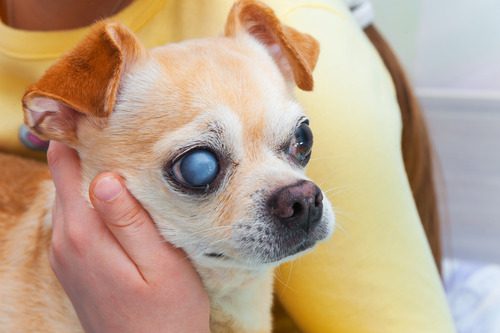
Why a Dog’s Eye Becomes Cloudy
A dog’s eye is cloudy when the normally clear structures of the eye lose transparency. This can happen for several reasons, ranging from natural aging to disease. Because vision and comfort are at stake, any change in clarity warrants professional attention.
Changes in the Lens
The lens focuses light onto the retina. As dogs age, the lens can harden in a process known as nuclear sclerosis. This often gives the eye a bluish or gray haze. Nuclear sclerosis does not usually impair vision severely, but it can be mistaken for cataracts.
Cataracts
Cataracts are one of the most recognized causes when a dog’s eye is cloudy. They occur when the lens develops an opacity that can interfere with light transmission and cause partial or total blindness if untreated. Cataracts may be inherited, linked to conditions like diabetes, or develop from trauma.
Corneal Changes
The cornea, the clear outer surface of the eye, can also turn cloudy. This may happen if fluid builds up within the cornea (edema), or if scarring occurs from injury or chronic irritation.
Common Conditions That Make a Dog’s Eye Cloudy
A cloudy eye is a symptom rather than a diagnosis. Several conditions can lead to this appearance, and each one has different implications for your pet’s health.
Nuclear Sclerosis vs. Cataracts
Nuclear sclerosis typically appears in dogs older than six years. It produces a diffuse, bluish haze but rarely reduces vision drastically. Cataracts, by contrast, can block light and lead to blindness. Differentiating between the two requires a veterinary examination.
Glaucoma
When a dog’s eye is cloudy and enlarged or painful, glaucoma may be the cause. Glaucoma results from increased pressure within the eye, which can damage the optic nerve. This condition is serious and may lead to permanent vision loss without prompt veterinary care.
Corneal Ulcers
A corneal ulcer is an erosion on the eye’s surface. It may cause redness, squinting, discharge, and cloudiness. Ulcers can develop from scratches, infections, or foreign objects, and they require professional treatment to prevent complications.
Uveitis
Inflammation inside the eye (uveitis) can also make a dog’s eye appear cloudy. This condition may be linked to infections, immune system diseases, or trauma. It often causes discomfort, squinting, and light sensitivity.
How Veterinarians Diagnose a Cloudy Eye
Because multiple conditions can make a dog’s eye cloudy, veterinary evaluation is the only way to determine the true cause. At Companion Animal Hospital of Wakefield, we use advanced diagnostic tools to examine eye health and recommend the right treatment.
Physical Examination
Your veterinarian will look closely at the eye, checking for redness, swelling, discharge, or structural changes. Both eyes are examined, since some conditions affect them simultaneously.
Diagnostic Tests
Specialized tests may include:
- Tonometry to measure eye pressure and screen for glaucoma
- Ophthalmoscopy to examine the retina and optic nerve
- Fluorescein staining to identify corneal ulcers
- Slit-lamp biomicroscopy for detailed lens and corneal evaluation
Medical History
Your input as a pet owner is important. When did you first notice the cloudiness? Is your dog bumping into things, squinting, or rubbing at the eye? These details help your veterinarian narrow down possible causes.
Can a Cloudy Eye in Dogs Affect Vision?
Whether a dog’s eye is cloudy has a direct impact on vision depends on the underlying condition.
- Nuclear sclerosis: Vision usually remains adequate, though night vision may diminish slightly.
- Cataracts: These can cause partial vision loss and, over time, complete blindness if untreated.
- Glaucoma: Increased pressure damages the optic nerve, leading to irreversible blindness without care.
- Corneal ulcers or scarring: Depending on severity, these may blur vision or cause permanent defects.
- Uveitis: Inflammation can threaten sight if it leads to retinal detachment or other complications.
Because the consequences vary so widely, a veterinary exam is essential whenever a dog’s eye is cloudy.
Treatment Options for a Dog’s Cloudy Eye
Treatment depends entirely on the diagnosis. While some conditions, like nuclear sclerosis, may not require active treatment, others demand immediate intervention.
Managing Cataracts
Surgical removal of cataracts is the only way to restore vision. Veterinary ophthalmologists often perform this procedure, which can dramatically improve quality of life.
Addressing Glaucoma
Glaucoma may be treated with medications that reduce intraocular pressure or, in some cases, with surgery. The goal is to preserve vision and reduce pain.
Treating Corneal Problems
Ulcers and injuries are typically treated with medications to prevent infection and support healing. Severe cases may require surgery to save the eye.
Controlling Uveitis
Medications can reduce inflammation and treat any underlying condition. Uveitis is a sign of a deeper problem, so ongoing monitoring is often required.
When Should You Call Your Veterinarian?
If your dog’s eye is cloudy, it is best to schedule an appointment promptly. Some eye conditions progress quickly, and waiting can put your pet at risk of pain or permanent vision loss. Contact Companion Animal Hospital of Wakefield at (919) 488-5300 to arrange an exam. Our veterinary team in Raleigh can identify the cause and recommend the best course of care.
Protecting Your Dog’s Eye Health for the Future
A cloudy eye in your dog may not always be an emergency, but it should never be dismissed. Regular wellness exams, prompt evaluations of changes, and proactive care help maintain healthy vision and comfort. At Companion Animal Hospital of Wakefield, we partner with you to monitor your pet’s eye health, explain treatment options, and provide compassionate care every step of the way. If you’ve noticed that your dog’s eye is cloudy, reach out today to schedule a visit and give your pet the best chance for clear, comfortable sight.
Recent Posts

Everything You Need to Know about Hepatitis in Dogs

Reasons Your Cat is Losing Weight

Cystitis in Cats: Symptoms and Treatment

About Us
At Companion Animal Hospital of Wakefield, our veterinarians in Raleigh, NC, provide better care for your pets. As members of your family, cats and dogs deserve the highest level of medicine with the most compassion. That’s why we put a strong emphasis on personalized care for your pet and client education for you. We believe that when we take the time to help you thoroughly understand your pet’s health, we’re able to make the best decisions for their care together.