
Dental Care
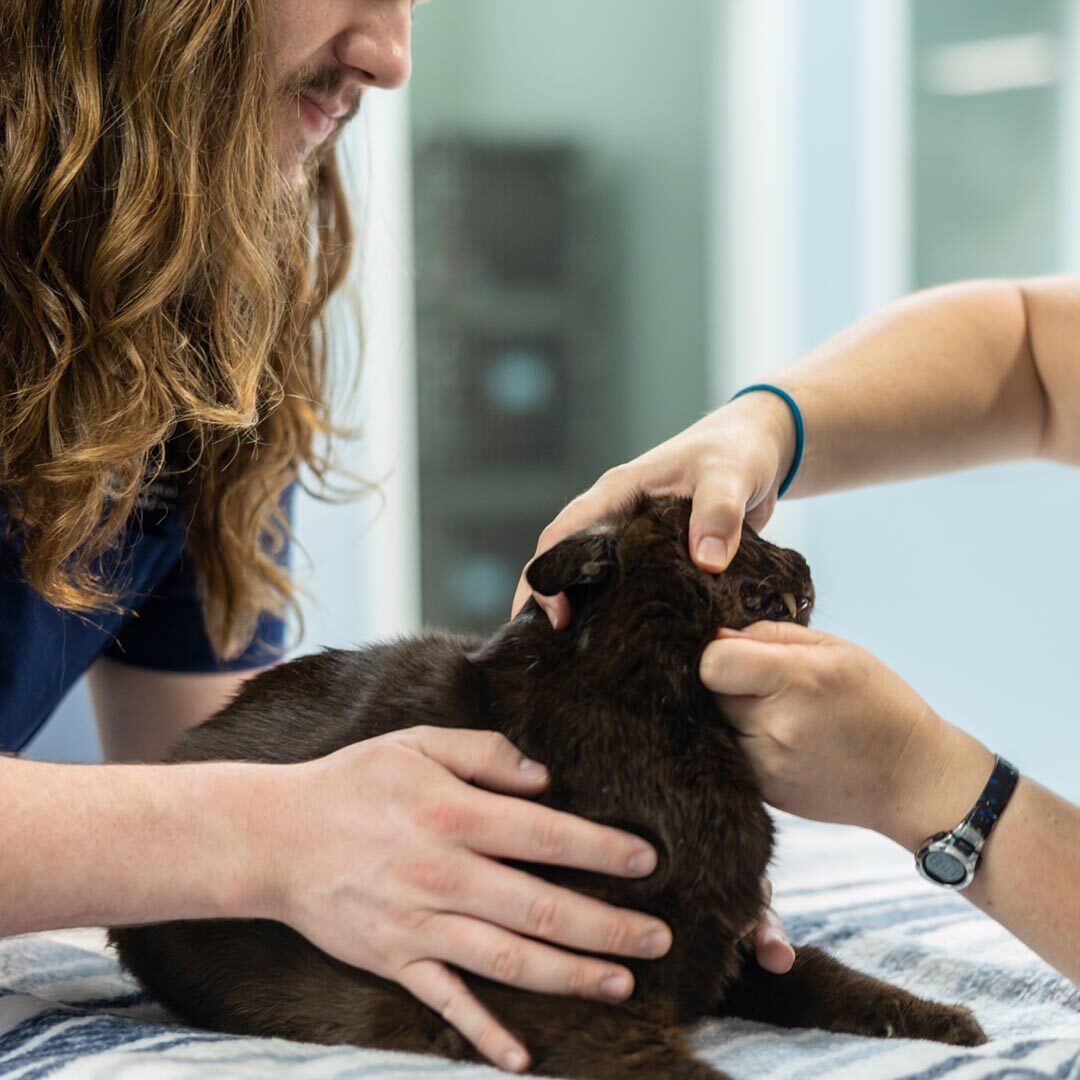
Cat & Dog Teeth Cleaning in Raleigh, NC
Dogs and cats need their teeth cleaned on a regular basis to keep plaque and tartar at bay, otherwise, dental or periodontal disease will develop. Providing consistent home care and scheduling routine professional pet dental care appointments can prevent and even reverse dental disease. At Companion Animal Hospital of Wakefield in Raleigh, NC, your pet will receive effective, safe dental care from veterinarians who have advanced training in dental procedures and oral surgery. Call as at (919) 488-5300 to schedule a teeth cleaning for your pet in Raleigh today.
Be proactive in your pet's dental health. Schedule a dental evaluation today.
or give us a call at (919) 488-5300
It's More than Just Bad Breath
“Dog breath” isn’t actually normal! While your pet’s mouth may never quite smell minty fresh, it certainly shouldn’t smell bad. Foul odor from the mouth is often indicative of bacteria build-up from plaque and tartar and it is one of the first signs of dental disease. If left untreated, the disease will cause inflammation, infection, and loss of teeth and bone. Affected pets often suffer in silence and continue their normal routines despite painful oral disease. In time, the disease can affect your pet’s systemic health as bacteria from the mouth enters the bloodstream where it can damage the kidneys, liver, and heart.
Full Dental Evaluations with Digital Dental X-Rays
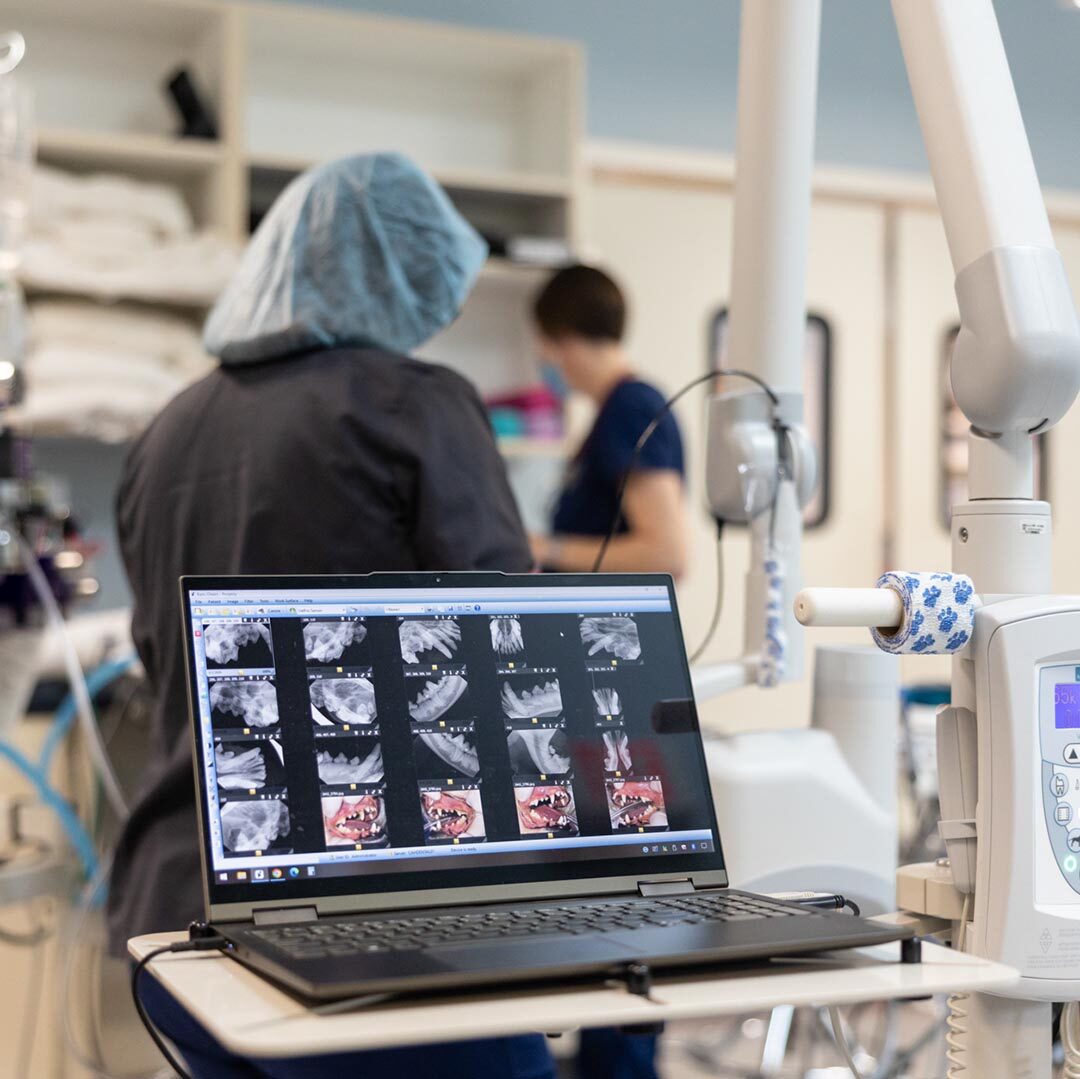
More than half of each of your cat’s or dog’s teeth lie below the gum line, making it difficult to assess their oral health with only a physical exam. At Companion Animal Hospital of Wakefield, we utilize digital dental X-rays to take detailed images of your pet’s mouth. The images allow a full evaluation of your pet’s oral health and level of dental disease. This invaluable diagnostic helps guide appropriate treatment and provide the best level of care.
Our Teeth Cleaning Procedures for Dogs & Cats
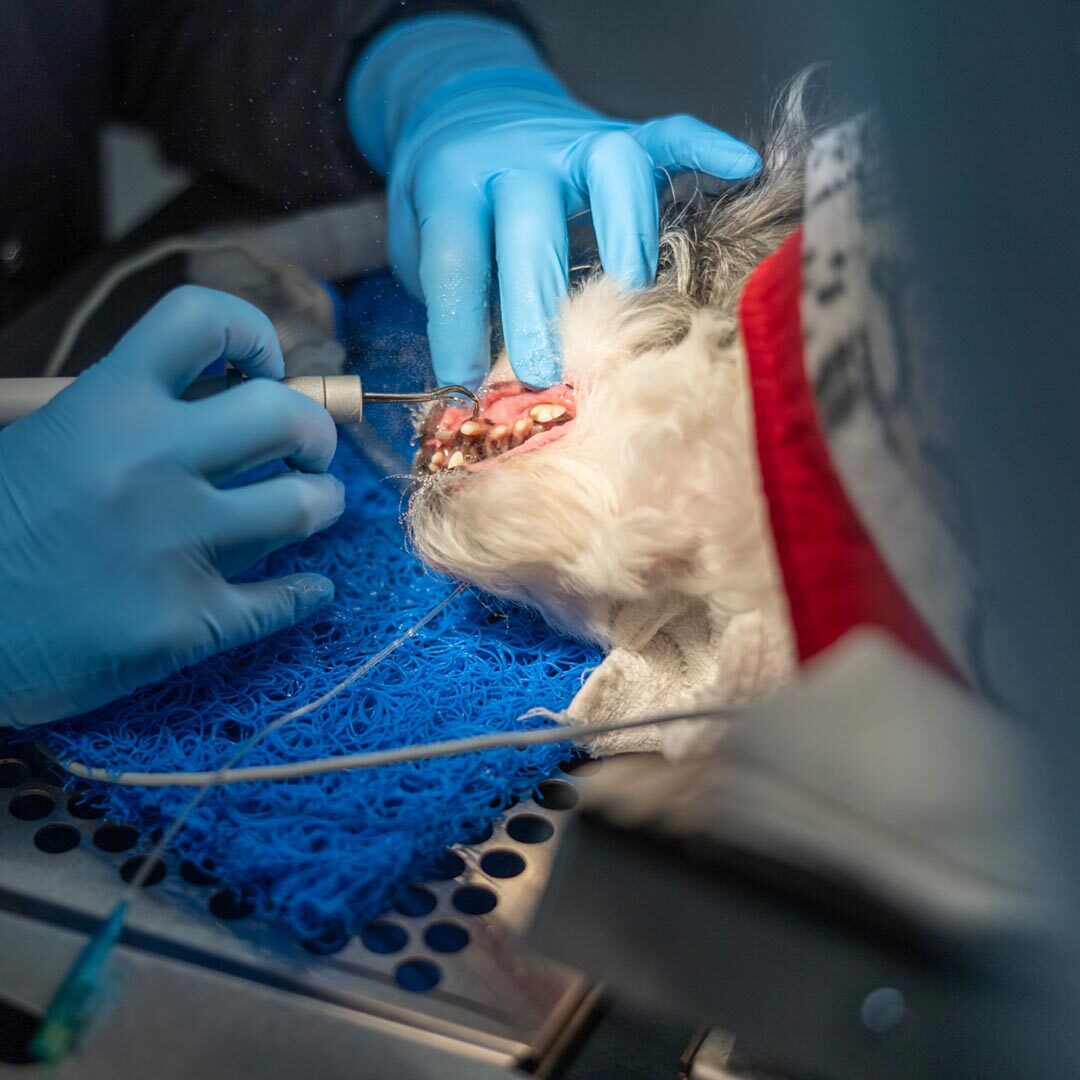
In order to thoroughly assess and treat dental disease, general anesthesia is required. We’ll ensure your pet is healthy enough for the procedure with pre-anesthetic blood work, and we implement advanced safety protocols to minimize any risk of complications. We perform a Comprehensive Oral Health Assessment and Treatment (COHAT) that allows us to assess each pet's oral health and develop a unique dental treatment plan. A COHAT dental procedure will include:
- A detailed oral exam to evaluate the entire oral cavity, a periodontal assessment, as well as full mouth digital radiographs
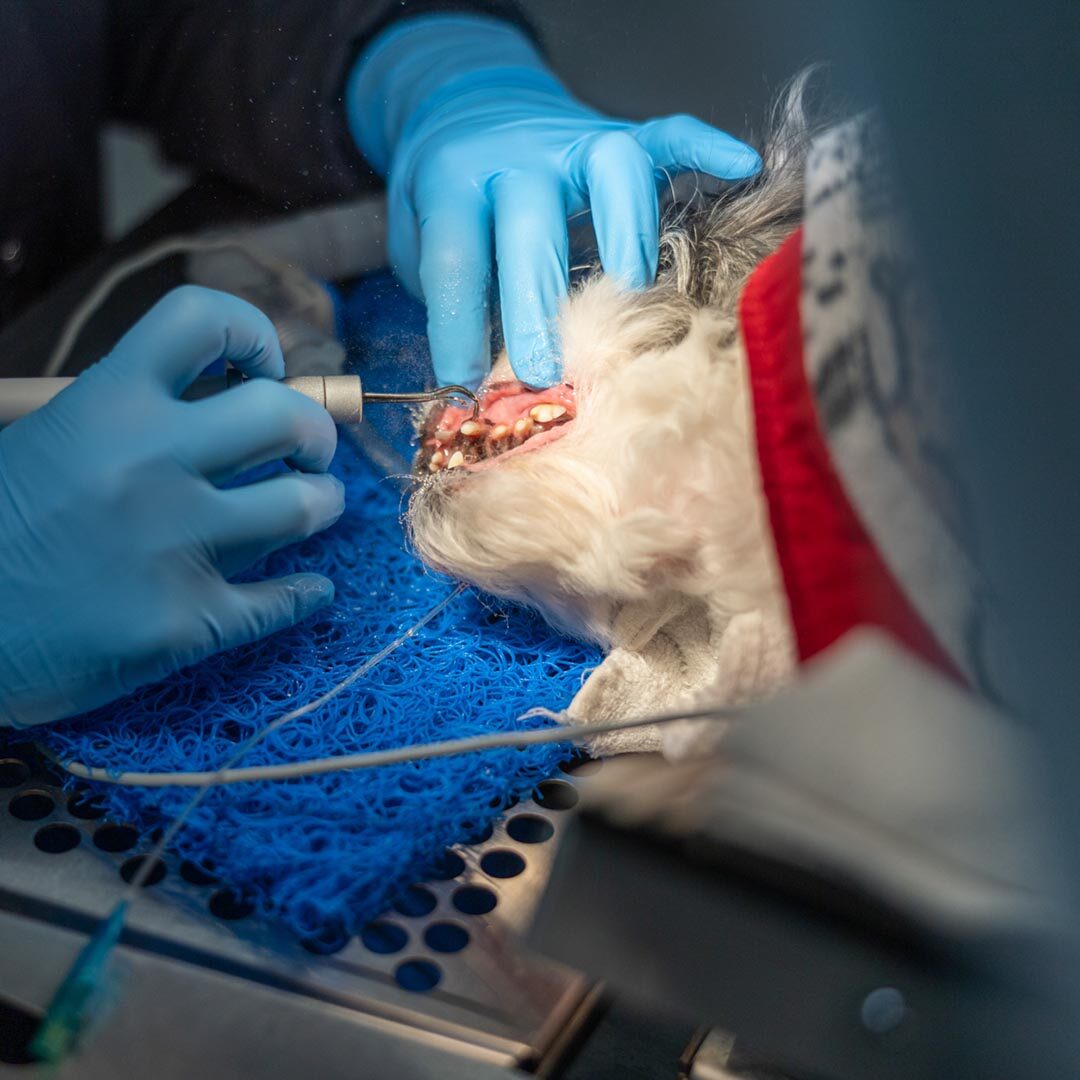
- Ultrasonic scaling of each tooth to remove built-up plaque and tartar both above and below the gum line
- Polishing of each tooth to smooth the enamel and reduce the amount of future tartar build-up
- Extractions of damaged or broken teeth, if necessary*
*Extractions are sometimes necessary to remove damaged, infected, and painful teeth. Performing routine dental care greatly reduces the incidence of disease that leads to extractions. When extractions are necessary, we administer local anesthesia, utilize careful surgical techniques, and provide perioperative pain treatments that make recovery smooth and comfortable for your pet.
Advice for Cleaning Your Dog's or Cat's Teeth at Home
In addition to annual professional cat and dog teeth cleaning, you can actively fight dental disease at home. While brushing your pet’s teeth is the single best way to reduce plaque and tartar build-up, we recognize that it is also one of the hardest! Luckily, there are several other products that are effective in reducing plaque and tartar. We recommend dental care products approved by the Veterinary Oral Health Council. A list of these approved products can be found here.
Some of the products they feature include:
- Dental chews/treats
- Water additives
- Oral sprays
- Oral wipes
- Personalized dental diets
- And more
Frequently Asked Questions
There are several reasons why Fido or Fluffy may have bad breath. However, by far the most common cause of bad breath in dogs and cats is dental or periodontal disease. More than two-thirds of pets over the age of 5 will have some degree of dental disease. Broken teeth, excessive tartar and plaque, gingivitis, and even oral tumors all contribute to bad breath. Dental disease in pets can also lead to more serious medical conditions when left untreated, yet it is entirely preventable! If your pet is experiencing bad breath, please schedule an appointment. You can also learn more about dental health here.
Several other medical conditions, such as diabetes or kidney disease, may also cause an unusual or unpleasant smell. Occasionally, bad breath can result from stomach problems including reflux, chronic vomiting, or respiratory issues, such as sinus infections. Or sometimes, it's simply a result of something your pet ate!
Pets are experts at hiding physical pain—it’s a natural survival instinct. Most dogs and cats will continue eating normally even with severe toothaches, broken teeth, or infected gums. Instead of waiting for a loss of appetite, look for behavioral changes such as irritability, increased sleeping, reduced interest in toys, or excessive drooling.
Contrary to popular belief, severe "dog breath" or bad cat breath is not normal. While a pet’s breath won't smell like mint, persistent foul odor is usually caused by volatile sulfur compounds produced by bacteria living in plaque and tartar. Left untreated, these bacteria can enter the bloodstream and potentially damage internal organs like the heart, liver, and kidneys.
Senior pets often stand to gain the biggest improvement in quality of life from treating dental pain. To minimize risks, we perform mandatory pre-anesthetic blood work and a physical evaluation before every procedure. During the cleaning, a dedicated veterinary technician continuously monitors vital signs—including heart rate, blood pressure, oxygen levels, and body temperature—using advanced equipment tailored to your pet's specific health profile.
Daily brushing is the single best way to slow plaque accumulation, but it works alongside professional care—not as a total replacement. Think of home brushing like your daily toothbrushing, and veterinary cleanings like your routine visits to the dental hygienist. Once plaque hardens into calculus (tartar), brushing alone cannot remove it; only ultrasonic scaling can safely clear built-up tartar.