
Wellness Care
Pet Exams & Wellness Care in Raleigh, NC
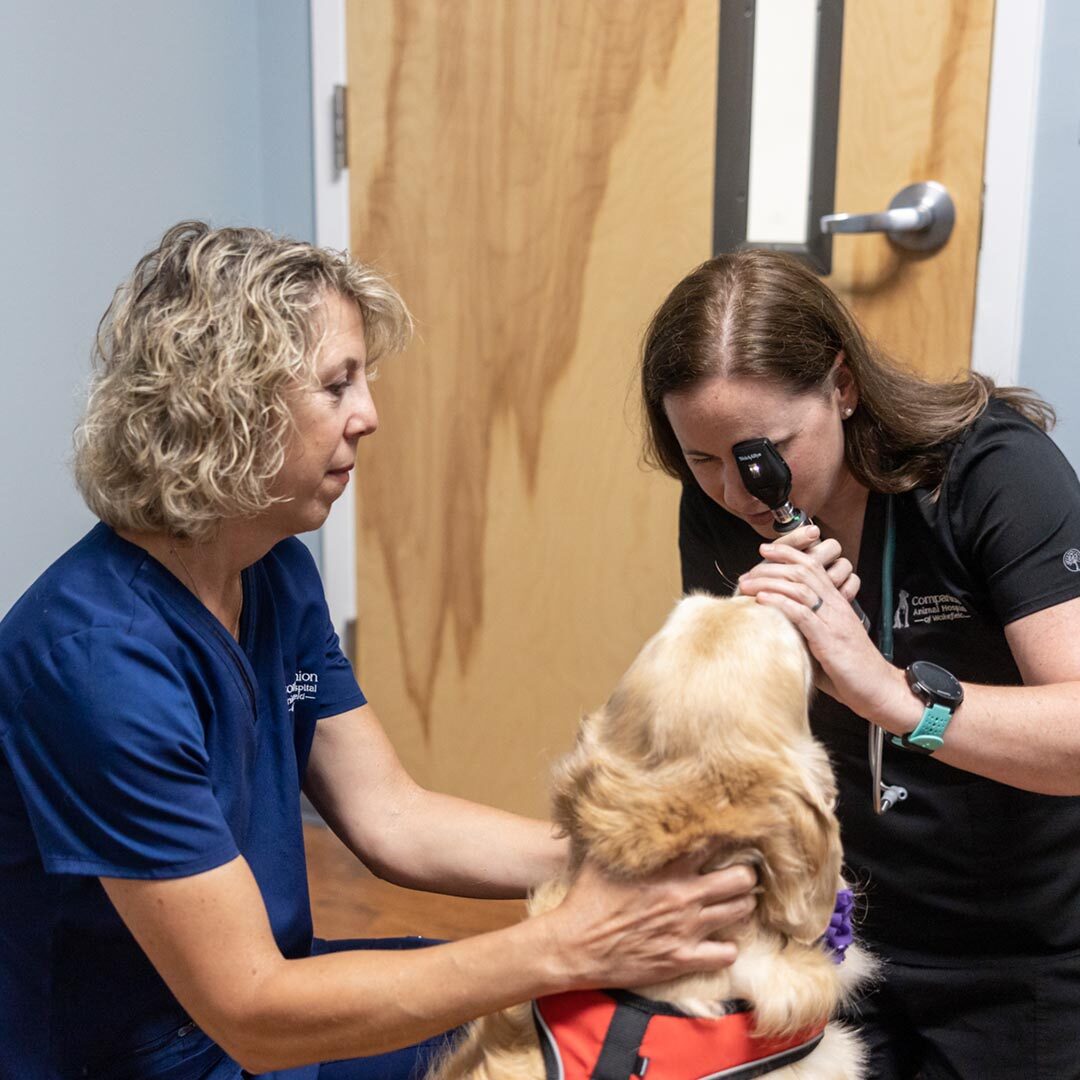
There's a lot of information (and misinformation) out there regarding pet wellness care. At Companion Animal Hospital of Wakefield, we know how confusing this can be. Our team is here to guide you to do what's best for your pet's health. When you keep up with your pet’s wellness visits, you enhance their quality of life and play an active role in their continued health and well-being. Choosing to bring your pet to our Raleigh, NC, hospital means you’ll receive extensive time with your veterinarian who thoroughly assesses your pet and makes sure you fully understand every aspect of their health.
Help your pet be the best they can be. Schedule their annual exam today.
or give us a call at (919) 488-5300
What to Expect with Pet Exams
Pet exams are the perfect opportunity to fully assess your pet’s well-being and for you to discuss any changes in their health, behavior, or lifestyle. Your pet's needs will change as they age, so we tailor every visit to meet those needs. At your wellness appointment, you can expect the following:
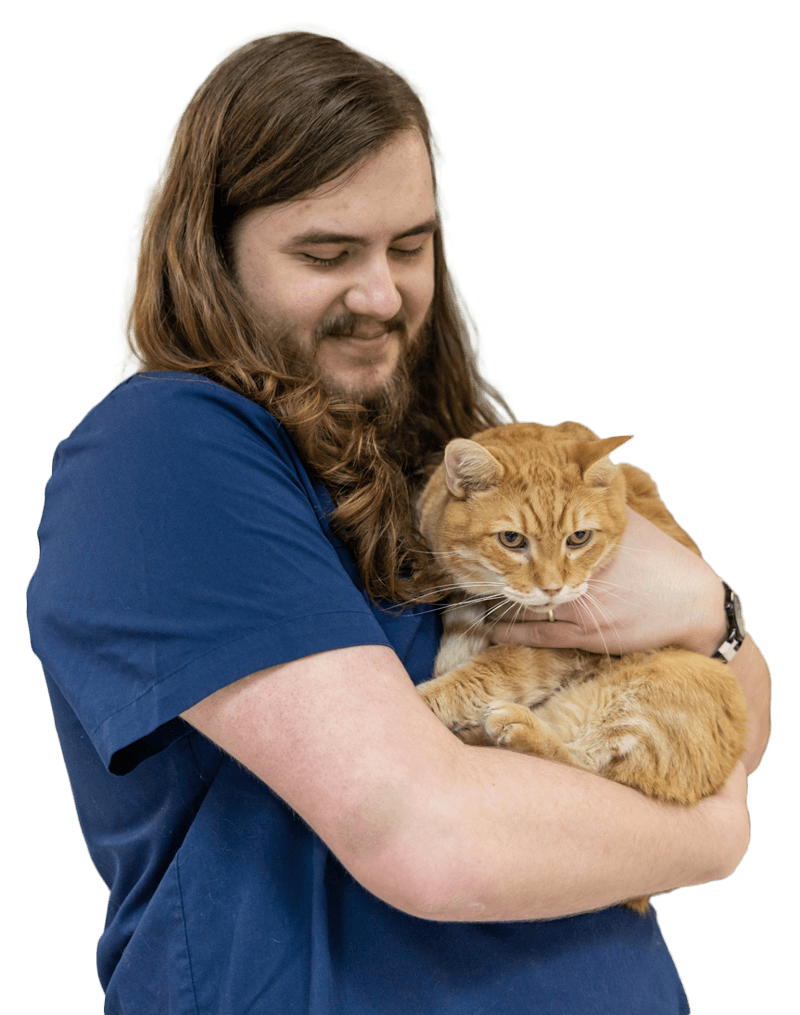
Our veterinarians are genuinely passionate about pet health. During a pet exam, they take all the time needed to fully assess your pet, address any issues, and answer all of your questions.
We’ll do a nose-to-tail exam to check for any abnormalities, as well as give them a body condition score which helps us determine if their weight is ideal.
Depending on your pet’s age and lifestyle, we’ll perform a range of diagnostic tests including complete blood counts, blood chemistry panels, fecal exams, urinalyses, etc. By catching diseases early, we’re better able to effectively treat the condition.
We’ll provide any needed vaccine boosters and discuss any lifestyle changes that may warrant more or fewer vaccines.
Dental care is vital to your pet's well-being. We'll evaluate their dental health and give you recommendations on home dental care as well as professional cleanings as needed.
Your pet’s diet will change as they age, meaning no single diet will work for their entire life! We can give you suggestions for a healthy diet and proper exercise that meet your individual pet’s needs.
Does your pet have bad manners or other behavioral problems? Behavioral problems can cause a rift in your relationship with your pet, but we can help! Mend your relationship with your pet and build a stronger bond by asking us about behavioral counseling at your next visit.
Providing Intestinal Parasite, Flea, Tick, & Heartworm Prevention
Another essential part of pet wellness care involves parasite prevention. We highly recommend year-long protection because many of these critters can be active all year long. Ticks can be active at temperatures just above freezing, while fleas will often take refuge in your warm home for the winter, putting your pets and family at risk. Mosquitoes, which transmit heartworm disease, do die off in the cold, but they can be active any time of year in North Carolina due to our warm climate and mild winters. Fleas, ticks, and heartworms all pose serious dangers to your pet, including disease transmission. In addition, intestinal worm larvae are invisible in the environment but can be ingested by dogs and even indoor cats. Some of these parasites can even be transmitted to people. With year-long parasite prevention, you can keep your pet safe. Ask your veterinarian about our options for flea, tick, and heartworm prevention at your next appointment.


Drop-Off Wellness Services with Daycare
Dropping your pet off for daycare? Let us know if they need any wellness services! We can perform pet exams, vaccinations, and more during their stay with us. Ask us for more information at your next visit or contact us today!
Or learn more about daycare here.
Frequently Asked Questions
Pets experience pain as keenly as we do, but they don't always show it. Sometimes they will limp, shake, cry out, whine, groan, or refuse to move; but many pets simply carry on, trying to do all the things they usually do.
Pets are naturally inclined to hide any vulnerability. Such behavior would have saved them from looking vulnerable (and like a bigger predator's next meal) in the wild. Fortunately, if you know what to look for, there are some subtle clues that can help you determine if your pet is experiencing pain.
Changes in mobility – refusing to go upstairs; avoiding jumping or climbing; not chasing after a favorite toy; stiffness while walking; reluctance to walk on hard or slippery surfaces
Changes in posture – arching their backs; assuming a sunken back; taking on a very rigid stance; changes in gait
Changes in energy levels – hiding more often than usual; failure to get excited when you come home; etc.
Changes in breathing – panting; breathing with their mouth open; fast or shallow breathing
Changes in the eyes – squinting or discharge; enlarged pupils
Changes in grooming habits – repeatedly licking at, rubbing, or chewing at a certain area
Changes in food and water consumption – loss in appetite; refusal to eat or drink
Changes in potty habits – unexplained accidents in the house; no longer squatting when urinating
Catching pain before it gets worse is crucial to giving your pet lasting relief. If you notice any of these symptoms, schedule an appointment. We'll work to develop a pain management program that may include specialty treatments and/or laser therapy.
There are many things that can cause this behavior such as diarrhea, colitis, or parasites; however, the most common cause is irritated anal glands.
Anal glands are small sacs located just inside the rectum at roughly 4 and 8 o’clock. Both dogs and cats have anal glands and they are responsible for producing a very pungent secretion that comprises their ‘individual scent.’ These glands can become irritated due to impact, inflammation, infection, or sometimes, growths.
Impacted glands can usually be emptied without difficulty, and this provides instant relief for your pet. Some pets will need to have this procedure done regularly while others may never experience problems. During expression, we'll also be able to determine if the glands are inflamed or infected and prescribe appropriate treatments. Your pet will also be checked for any potential growths. If these problems persist and treatments are not helpful, the glands can be surgically removed. Predisposing factors for irritated anal glands include a soft stool, allergies, or variation in the location of the glands.
If your pet is having trouble with their hindquarters, come see us so we can get them relief. We might even be able to recommend a good carpet cleaner!
Yes! Pets are biologically wired to hide signs of illness, pain, and discomfort. Regular wellness exams allow us to establish a baseline of health and catch underlying conditions—such as early kidney disease, heart murmurs, arthritis, or dental issues—long before external symptoms appear, making treatment far simpler and more effective.
We recommend an annual wellness exam for healthy adult pets. Because pets age much faster than humans, puppies and kittens require multiple visits during their first few months for vaccinations and developmental tracking, while senior pets (ages 7+) benefit from bi-annual exams (every 6 months) to monitor for age-related health changes.
During every wellness exam, we assess your pet's Body Condition Score (BCS)—a standardized scale evaluating body shape, rib feel, and waistline definition. Over 50% of pets are overweight, which significantly increases their risk for diabetes, painful arthritis, high blood pressure, and a shortened lifespan. We can provide personalized calorie targets and feeding strategies if adjustments are needed.